Ecdysterone for Fat Loss? 30 mg Cut Arm Fat More Than Placebo
Ecdysterone is known as a natural anabolic, but a 12-week trial put it up against fat and blood sugar instead. Men taking 30 mg/day of asparagus-derived 20E while lifting three times a week lost more arm fat than those on placebo, and their fat oxidation, fasting insulin and insulin sensitivity moved in the right direction. The catch is a tiny sample of 10 per group, with most changes appearing only within the supplement group. Here's what held up against placebo, what didn't, and how to avoid underdosed products if you're tempted to try it.
Does Sipping 60 g of Carbs Mid-Workout Make You Stronger? Not Quite
Intra-workout carb drinks are everywhere, but do they actually make you stronger? A new randomised, placebo-controlled crossover pilot of 15 resistance-trained adults tested 60 g of maltodextrin during a workload-matched lifting session. Blood glucose rose by about 19 mg/dL, yet lactate, reactive strength and grip strength showed no clear change. Knee-extension reps to failure were roughly 2.5 higher with carbs, but that signal came from just 10 people and wasn't significant after adjustment. Here's what the trial really shows, who might still benefit, and why it's a hypothesis-generator rather than a green light.
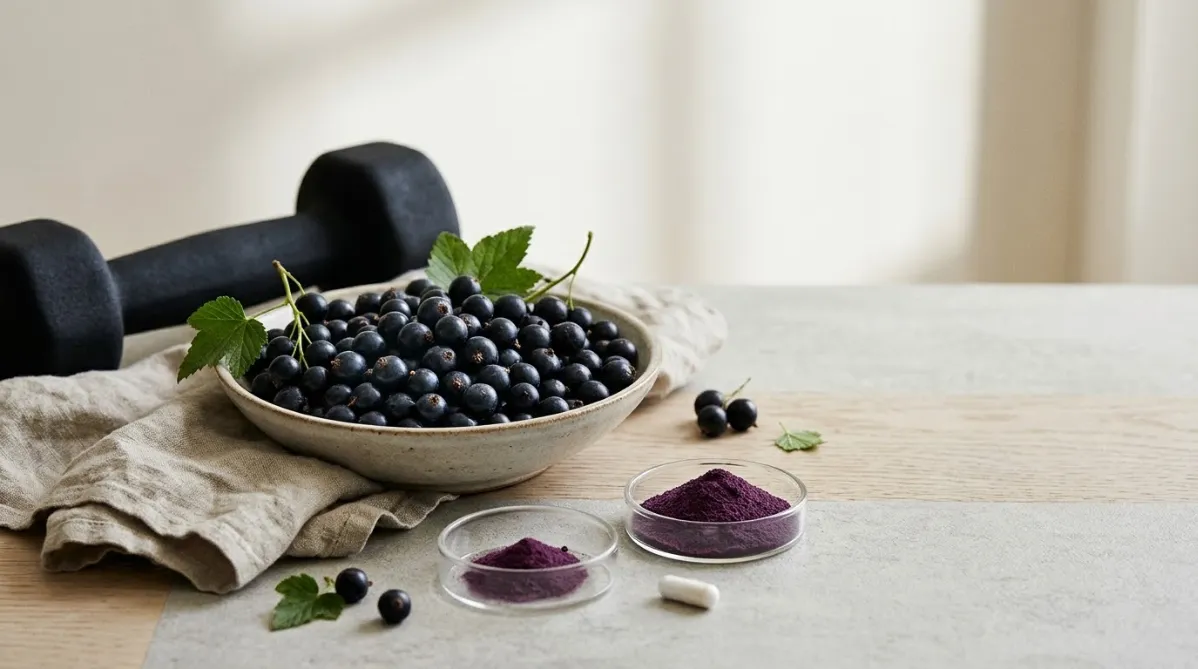
Blackcurrant for Lifters: Why the Low Dose Beat the High Dose
A one-week blackcurrant supplement raised bench press 1RM in resistance-trained lifters, and the smaller 250 mg dose often matched or beat the 600 mg dose. The high dose boosted bench power by nearly 80 W against placebo, and the low dose improved Stroop cognitive scores. But the placebo also beat the no-capsule control on leg press, so those eye-catching gains need careful reading. With just 20 participants and a seven-day window, this is a promising signal rather than a proven strength aid. Here is what held up, what didn't, and who might want to try it.
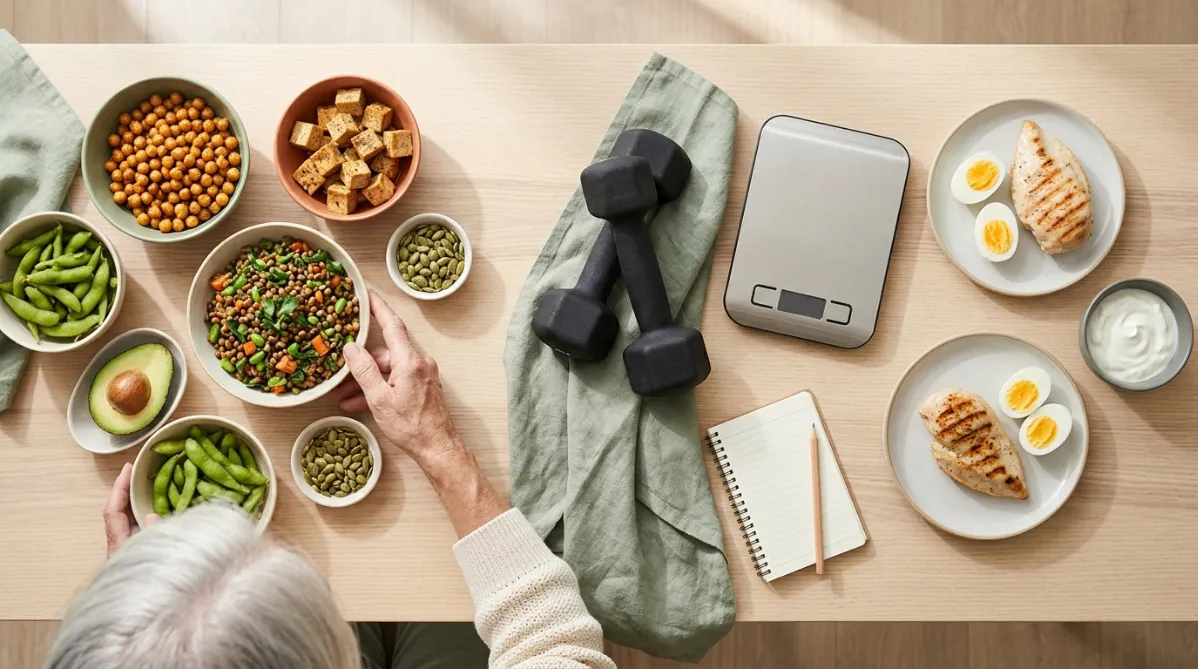
Going Vegetarian After 55? What a 108-Person Lifting Trial Found
Thinking about ditching meat while you lift in your late 50s, 60s or beyond? The IMPACT randomized trial of 108 older adults found that vegetarians and omnivores both gained muscle and strength over 12 weeks of resistance training. But the vegetarian group ate less protein (1.24 vs 1.58 g/kg/day) and gained less appendicular muscle (+0.38 vs +0.66 kg). The researchers could not show the vegetarian diet was noninferior, and the muscle result was statistically inconclusive. Here is what the trial really shows, where it falls short, and how to set protein targets if you lift on a plant-leaning diet.

Ashwagandha for Lifters: Strength Boost or Statistical Mirage?
Ashwagandha is sold to lifters as a strength and size booster, and a new meta-analysis of resistance-training RCTs found bench and squat 1RM gains that look impressive on paper. But only three trials with 161 participants could be pooled. Both strength results lost significance under stricter HKSJ testing, and each leaned on a single influential trial. GRADE rated the evidence low to very low, and there was no dependable effect on body fat. Here is what the review actually shows, and who might still want to try it.
Keto for Lifters: Fat Drops, But Lean Mass Lagged by 1.4 kg
A 50-study review finds that ketogenic diets cut fat and generally keep strength intact. But in resistance-trained adults, lean mass came out about 1.37 kg lower than on non-keto diets. The authors rate that finding low certainty and stress it doesn't prove muscle loss, since glycogen and water may explain much of it. High-intensity performance was also more often unchanged or impaired. Here's who keto may suit for cutting, who should skip it, and how to protect lean mass.
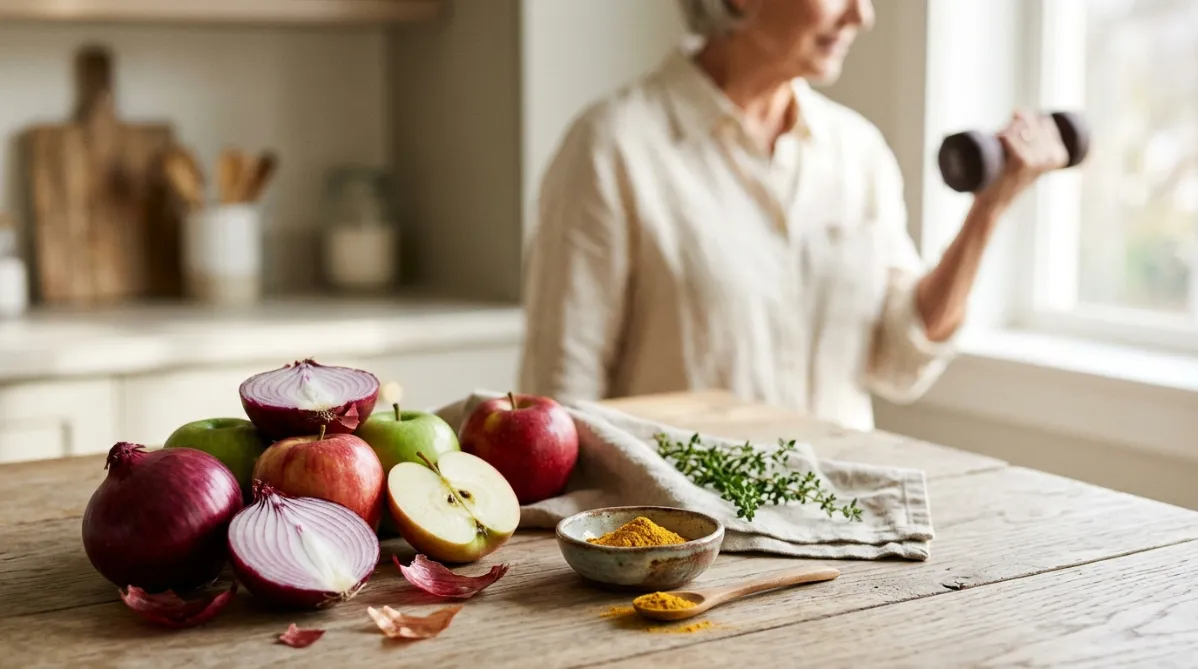
Quercetin Tripled Strength Gains in Older Lifters—Without More Muscle
A cheap flavonoid found in onions and apples may have just boosted strength gains in older lifters far beyond what training alone delivered. In a randomized, double-blind trial, older adults taking 200 mg/day of quercetin glycosides gained about 15% in knee strength over six weeks, versus about 5% on placebo. Strangely, muscle mass didn't change in either group. The edge appeared to come from the nervous system, with higher-threshold motor units firing faster. Here's what the study found, how to apply it, and why the small sample demands caution.
Is 8 g Citrulline Malate Too Low? Only 12 g Boosted Leg Press Reps
Most citrulline malate pre-workouts lean on a moderate dose, but a new double-blind pilot trial suggests that may not be enough to move the needle. In 12 resistance-trained adults, only a 12 g dose significantly increased total reps, while 8 g did not reach significance. The boost showed up on leg press, with estimated reps of 17 on placebo, 19 on 8 g and 20 on 12 g, but not on bent-over rows. Taken one hour before training, the higher dose looks promising, yet the tiny sample means this is a hypothesis, not a verdict.
Vitamin D Won't Shred You or Build Muscle, With One Exception
A new dose-response meta-analysis of 28 randomized trials and 1,675 adults asked whether adding vitamin D to exercise beats exercise alone. Blood vitamin D levels jumped by about 34 nmol/L, but body weight, BMI, fat mass, body fat percentage, and fat-free mass didn't improve beyond training alone. Leg press strength didn't either. The exception: modest knee extension gains (+4.36 kg) and handgrip improvements in older adults and at higher doses. Here's who might benefit and what to do before you buy another bottle.
Intra-Workout Protein Shake: 8-Week Biopsy Trial Found No Extra Muscle
Think you must chug protein mid-workout or lose gains? A Swedish randomized trial with muscle biopsies says otherwise. Over 8 weeks, men who trained in a fed state grew just as much muscle with a carb-only drink as with carbs plus protein. Meanwhile, lifting alone sparked broad type IIA fibre growth and nearly erased type IIX fibres. The study is small and exploratory, so modest effects can't be ruled out, but the practical message is clear: training and total daily protein come first.
Collagen Beat Whey for Muscle in a 78-Trial Analysis?
A 2026 network meta-analysis of 78 randomized trials and 4,755 people ranked collagen first for strength and fat-free mass gains with resistance training, ahead of whey. Stranger still, no other protein supplement beat placebo. But collagen is an incomplete, low-leucine protein, and the confidence intervals are wide. Here is what the numbers actually show, why the result needs head-to-head confirmation, and what to do with your supplement stack in the meantime.
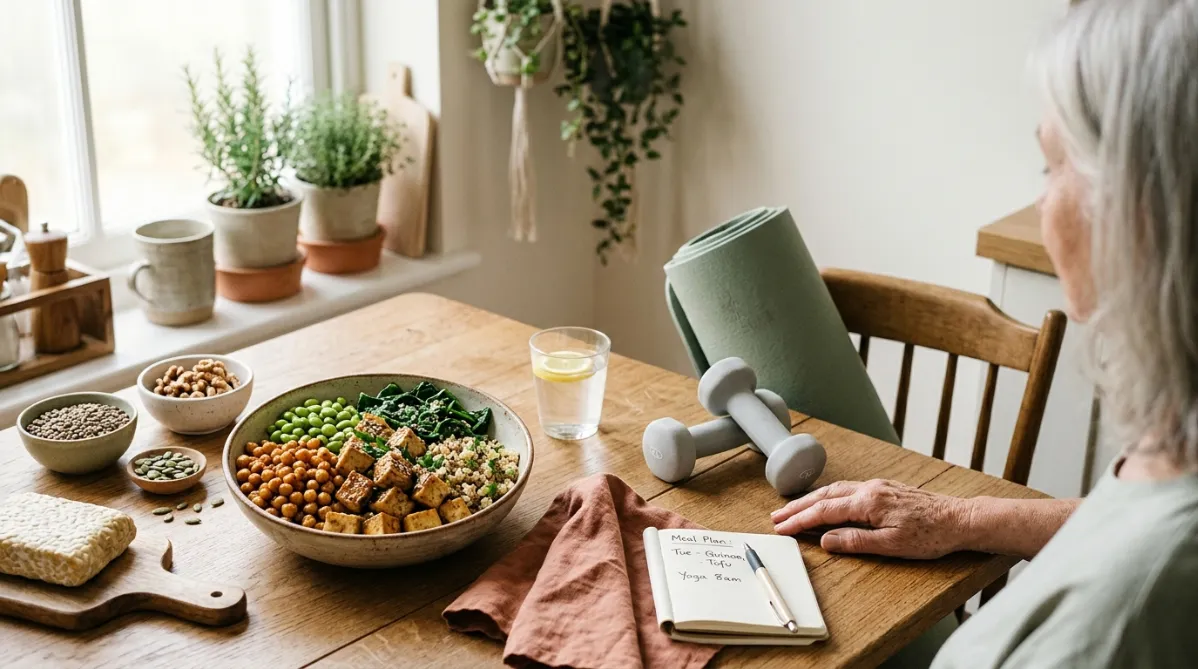
Going Vegan at 65+? Lean Mass Fell 1.15 kg in 12 Weeks
A 12-week randomized trial in 72 adults aged 65+ found that going vegan without planning protein cost them 1.15 kg of lean mass. The omnivore group held steady. Adding resistance training cut the loss to 0.62 kg, which helped a lot but didn't erase it. The real culprit was a protein intake that fell by roughly 20 to 28 g/day, not plants themselves. Here's what the data show and how to protect your muscle on a plant-based diet.
Does Protein Powder Add Strength? 23 Trials Reveal the Catch
Does adding protein powder to your training actually make you stronger? A 2026 meta-analysis of 23 randomized trials and 611 young adults found an average edge of 7.4 kg on the squat and 2.6 kg on the bench press. The squat benefit clustered in programs of 12 weeks or less and in trials where protein was taken around workouts and before sleep. But the timing signal was only borderline, no optimal dose was established, and the authors stress the benefit is conditional, not universal. Here is what the data support and what they don't.
3.2 g/kg Protein for 16 Weeks: Did It Hurt Lifters' Kidneys?
Is eating double the usual lifter's protein secretly wrecking your kidneys? A 16-week randomized trial of 44 resistance-trained men tested 3.2 g/kg protein against 1.6 g/kg. The statistical comparison found no significant difference in kidney markers, whether men lifted alone or combined lifting with cardio. But the high-protein groups did show small rises in BUN and cystatin C and dips in eGFR, which the authors call descriptive only. Here is what that means, what the study can't tell you, and who should be careful.

Beetroot Juice vs Creatine: Who Wins for Lifting in 72 Hours?
A new randomized crossover trial pitted beetroot juice against creatine over about 72 hours of supplementation in novice lifters. Creatine was the one credited with more bench press reps at 80% 1RM, while beetroot juice led on bar velocity, muscle oxygenation, peak heart rate and HRV recovery. The abstract doesn't report doses or timing, so we flag what's missing. Here's the full scorecard and who might choose which supplement.

Creatine After Menopause: The Dose Catch Behind the Gains
A 2026 meta-analysis of seven randomized trials and 608 postmenopausal women finds creatine can help, but only under the right conditions. Taking 5 g per day or more alongside resistance training raised lean mass by 0.37 kg and leg-press 1RM by 7.5 kg. Doses of 3 g per day or less without training showed no measurable effect. Bone density did not change, and side effects looked like placebo. Here is what the dose catch means for women past menopause.

Creatine Didn't Speed Up Perimenopausal Brains. Sleep Is Another Story
Creatine was supposed to sharpen perimenopausal brains, but the main thinking-speed test showed no creatine advantage. Instead, a small exploratory trial of 51 women found higher prefrontal oxygenation, a 7.4-point sleep consistency edge at week 6 and fewer temperature-sensitivity days. Everyone, including placebo, got faster on the Stroop task. The study design, dosing, limits and the authors' creatine and WHOOP ties are all laid out here, so you can judge how much weight the findings deserve.
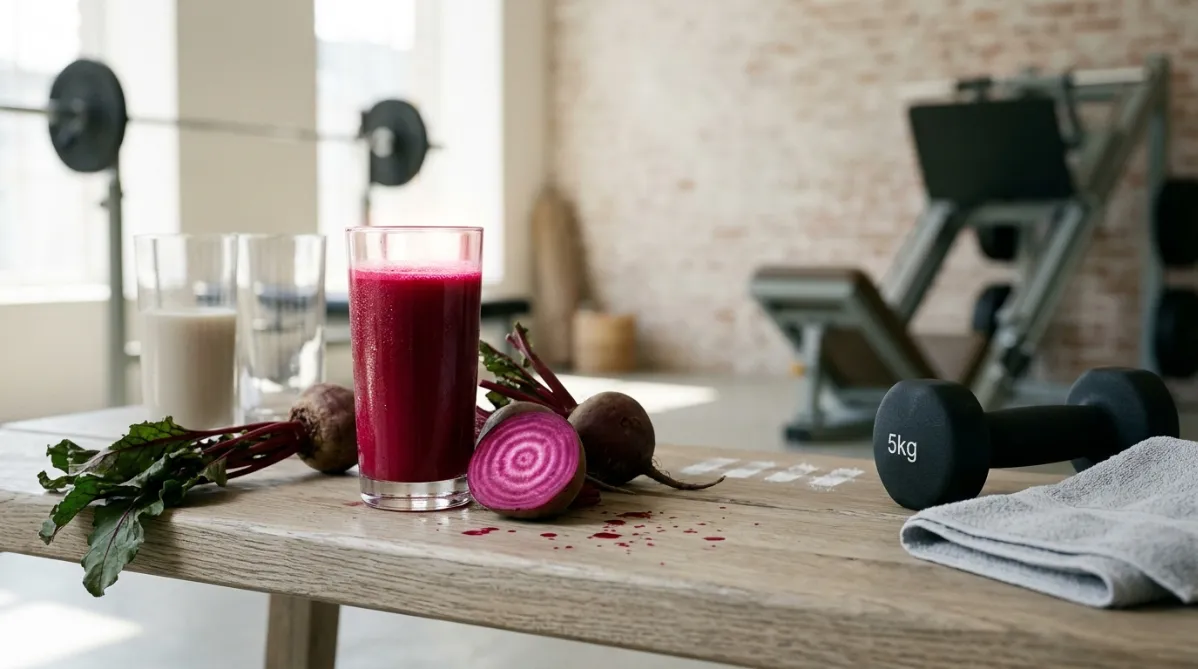
Beetroot Juice Didn't Add a Single Rep for Resistance-Trained Women
Beetroot juice is hyped as a natural rep booster, but a new double-blind crossover trial in resistance-trained women found no benefit at all. Sixteen participants drank nitrate-rich juice (12.8 mmol), a placebo or nothing before four sets of bench press and leg press to failure. Total reps, perceived exertion, heart rate, blood pressure and lactate were statistically unchanged. The findings don't bury beetroot for good, but they suggest nitrate's ergogenic effect may be limited for this population and this protocol.

Beta-Alanine Finally Works for Lifters—If You Train Like This
Beta-alanine has long had a murky track record for lifting, but a new randomized controlled trial may explain why. When trained lifters took 6.4 g per day for four weeks, their total reps rose 17.3% on drop sets and 18.2% on bi-sets, while placebo showed no significant gains. Perceived exertion, motivation, and affect did not differ between groups, so the boost was physical rather than psychological. Here is the dose, the loading period, who the data applies to, and who should stay skeptical.
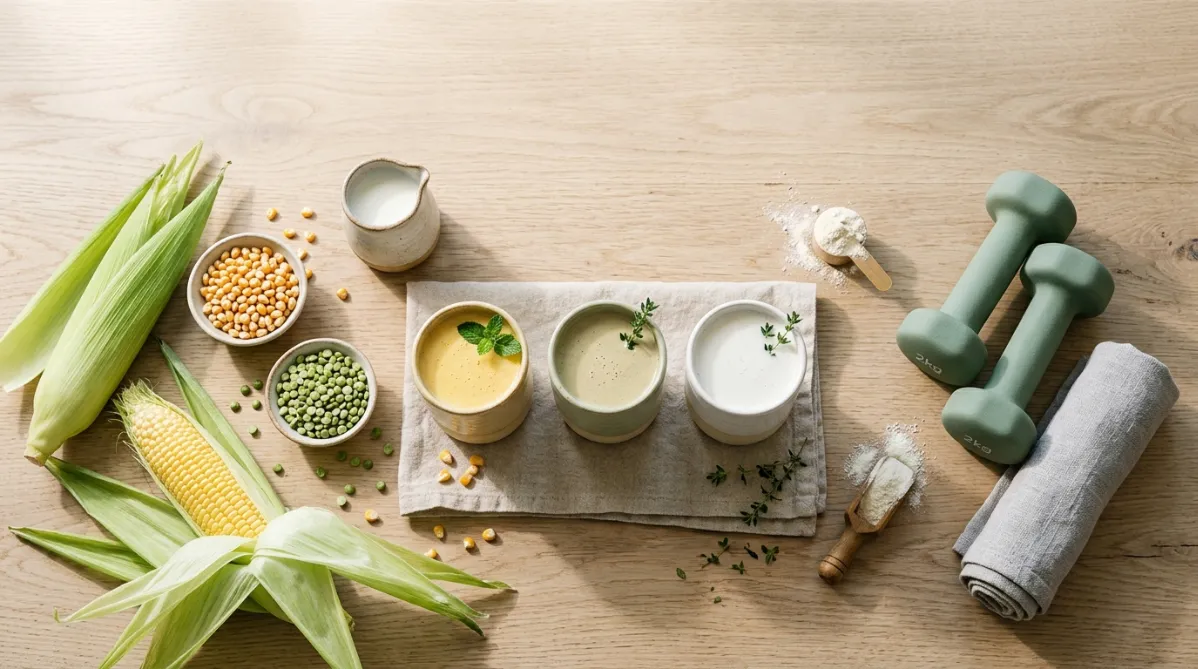
The Plant Protein That Just Matched Milk for Muscle Synthesis
Plant protein is supposed to lose to milk when it comes to building muscle, but a new trial in older adults says corn protein didn't get the memo. In a randomized study of 48 healthy adults around age 68, 20 g of corn protein, a pea-corn blend, and milk protein all boosted muscle protein synthesis well above placebo, with no differences between protein groups. Resistance exercise amplified the response in every group. Here is the dose, the numbers, who it may suit, and the caveats you need before swapping your shake.
Creatine Plus Lifting: Bigger Strength Gains, No Dosing Winner
A meta-analysis of 63 studies and 1,489 participants asked how much creatine adds on top of lifting. The strength boost was moderate and consistent in both upper and lower body, while the lean mass gain was smaller and fat mass didn't significantly change. The surprise is that dosing strategy, daily dose and protocol did not significantly influence the results. Age emerged as the one exploratory clue, with larger strength effects in younger participants. Here is what the paper actually found, and what it can't tell you.

Amino Acids Plus Lifting Pushed Back Myostatin in Women 65+
What if the hormone that puts the brakes on muscle growth could be nudged in the right direction after 65? In a 12-week randomized trial of 96 healthy older women, combining circuit training with 5.5 g of essential amino acids twice daily produced the biggest shift in the follistatin/myostatin ratio. The combo group also gained muscle mass and saw broader drops in inflammatory markers. Here's the exact dose, the protocol, who it applies to, who should skip it, and what the study can't prove.
Collagen Peptides Tripled Muscle Collagen I Gains. What's the Catch?
Twelve weeks of heavy lifting plus 15 g of specific collagen peptides a day increased collagen type I inside the quad muscle by 29.8%, compared with 9.9% for placebo. It's a biopsy-confirmed result from a randomized trial, which is rare in the supplement world. But the abstract reports no strength or muscle-size outcomes, collagen types III and IV rose in both groups, and one co-author holds collagen-related patents. Here's what the study really shows, what it doesn't, and who might care.

Whey Before Bed Halved Time to Fall Asleep. Casein Didn't
Everyone says casein is the bedtime protein, but a new randomized, double-blind crossover trial in humans found something odd. After resistance training, 40 g of whey taken 30 minutes before bed cut median sleep-onset time to 9 minutes versus 19 with a carb control, and also reduced next-day soreness. Casein did not significantly beat control. The catch: only nine people took part, and whey wasn't statistically better than casein head-to-head. Here's what the numbers show and what they can't prove.
Whey Plus Collagen Beat Either Alone in Lifters—With a Catch
Mixing 30 g of whey with 10 g of collagen beat whey alone, collagen alone and placebo on every outcome in a new 8-week trial of resistance-trained men. The stack added 2.66 kg of muscle (by BIA), lifted lumbar spine BMD and improved squat, bench and bone turnover markers. Collagen alone moved bone, and whey alone moved muscle. But with only 40 participants, unmatched protein totals and a surprisingly big BMD jump, there is a catch. Here is what the stack won, who it may suit and who should skip it.

Creatine Helped Women With Bad Knees Stand Up Better. Not Why You Think
Creatine is usually pitched at young lifters, but a randomized, double-blind trial tested it in postmenopausal women with knee osteoarthritis. After 12 weeks of leg training, the creatine group's timed-stands score rose from 15.7 to 18.1, while placebo barely moved (15.0 to 15.2). Creatine also improved stiffness, lean mass and quality of life. But pain relief and leg-press max strength were no better than placebo. Here's what the numbers show and who this might actually help.
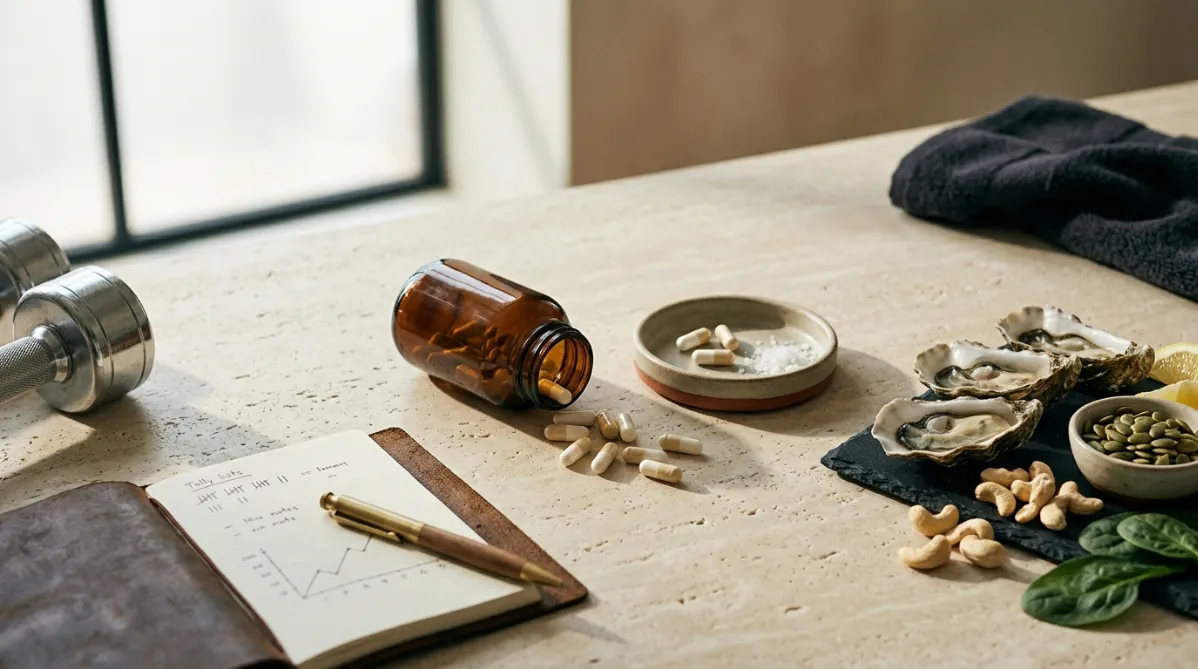
ZMA for Testosterone? 8 Weeks in Lifters Found Nothing
ZMA built its reputation on bold testosterone claims, a link to the BALCO scandal, and an early football study that seemed to show big gains. Then researchers put it to a tighter test: 42 resistance-trained men, double-blind, eight weeks of standardized training. Serum zinc rose 11-17%, but not significantly, and hormones, strength, body composition, endurance and anaerobic power were no different from placebo. Here's what the study did and didn't show, why deficiency is a separate question, and what lifters should do instead.
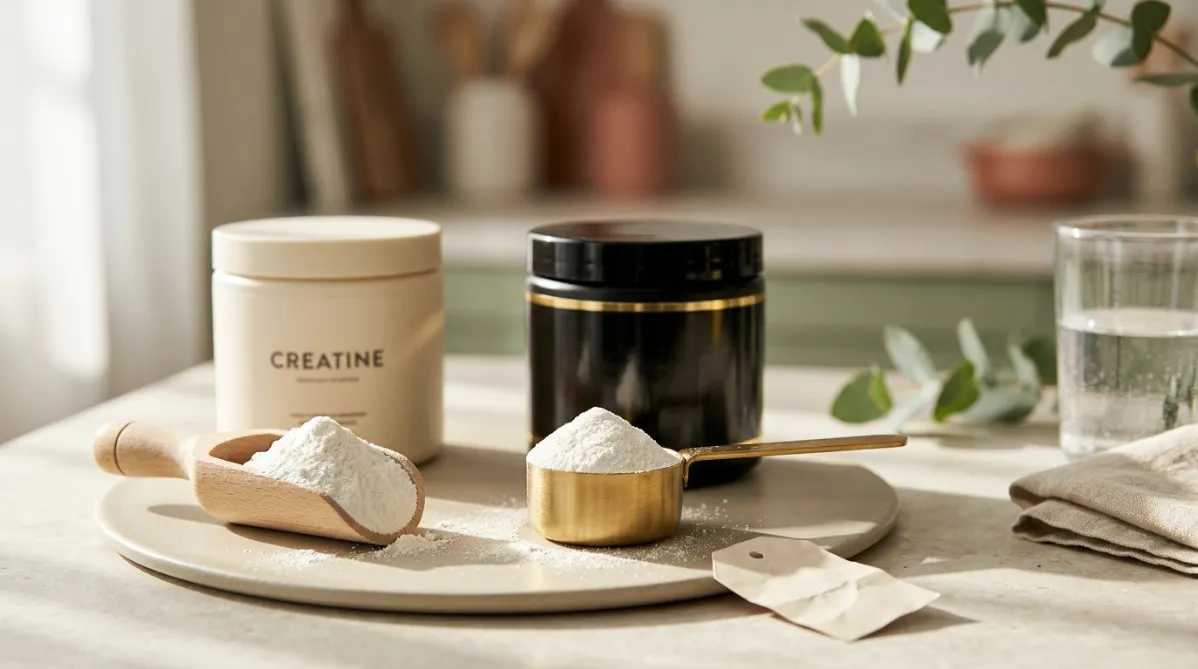
Creatine Ethyl Ester vs Monohydrate: The Pricey Form Lost
Supplement makers love to sell "advanced" creatine as better absorbed than the old standby. A 2009 double-blind trial tested creatine ethyl ester against monohydrate and placebo in 30 untrained men over seven weeks of heavy training. CEE produced lower serum creatine and sharply higher serum creatinine, a pattern consistent with it breaking down into waste. Muscle creatine rose in both creatine groups, but strength, power, and body composition did not differ between any groups. The takeaway: skip the premium form and keep it simple.

D-Aspartic Acid Lowered Testosterone at 6 g/Day in Trained Lifters
D-aspartic acid is marketed as a natural testosterone booster, but in a controlled trial of 24 resistance-trained men, 6 g/day actually lowered both total and free testosterone. The 3 g dose found on many labels did nothing measurable. A later 3-month trial found no strength or muscle advantage either. Here is what the study found, why trained men may respond differently from sedentary ones, and where your supplement money is better spent.
Citrulline Malate vs L-Citrulline: Does Malate Actually Matter?
Citrulline malate or plain L-citrulline? A new randomized, double-blind, placebo-controlled crossover trial in 43 trained adults tested both against placebo, and the answer might save you money. Neither form improved strength, power, jump performance, rep output, or perceived exertion, and malate added nothing on top of matched citrulline. Here is what the study measured, what the doses were, and the caveats that keep this from being the final word. If you are deciding what to put in your shaker, start here.
L-Citrulline vs Citrulline Malate: The Upper-Body Endurance Twist
Everyone argues over whether plain L-citrulline or citrulline malate is the better buy, but a new six-week trial found something more interesting. Both forms beat placebo for upper-body reps to failure, and both raised nitric oxide metabolite responses. The catch: neither form improved 1RM strength, and the leg results were only a trend. With just 33 trained men in the study, this is a promising signal rather than a verdict. Here's what the doses, timing questions, and fine print mean for your training.
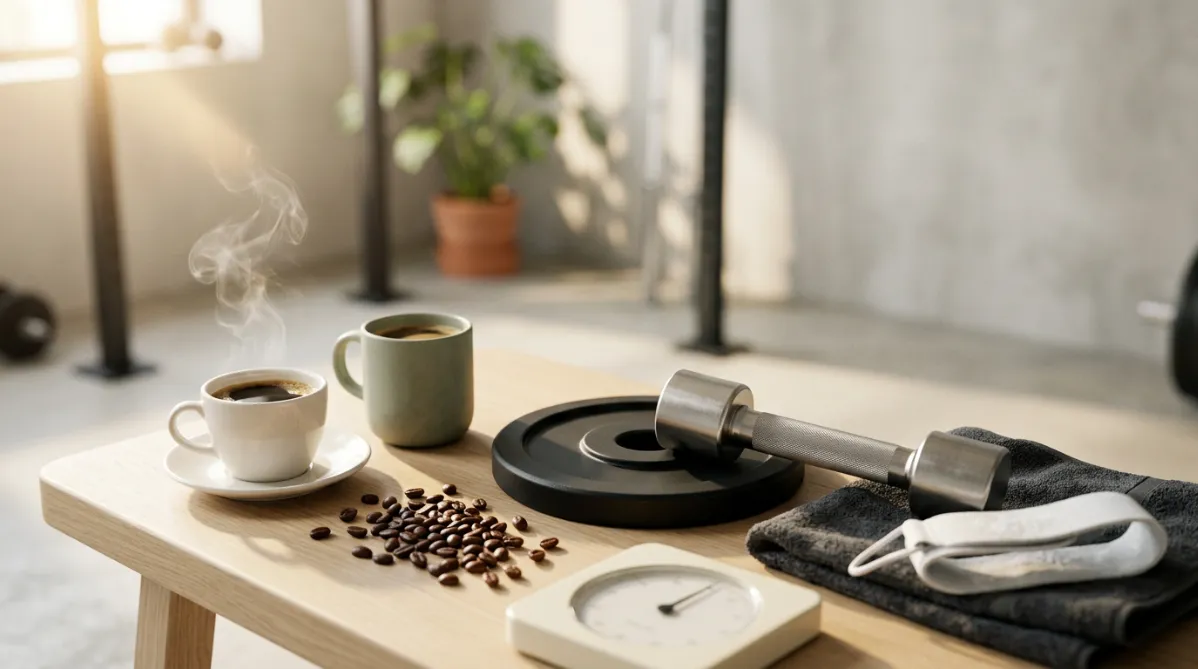
How Much Caffeine Before Lifting? A Meta-Analysis Says 1–2 mg/kg Still Works
The standard advice for caffeine before lifting is 3–6 mg/kg, which can mean several cups of coffee or a heavy scoop of pre-workout. A 2022 meta-analysis of 12 trials found that doses of just 0.9–2 mg/kg still improved muscular strength (d ≈ 0.17), muscular endurance (d ≈ 0.21), and mean bar velocity (d ≈ 0.56). For many lifters, that's about one to two cups of coffee. The effects are modest and the evidence comes from acute, single-session studies, but the findings suggest you may be able to get a similar benefit with less caffeine.
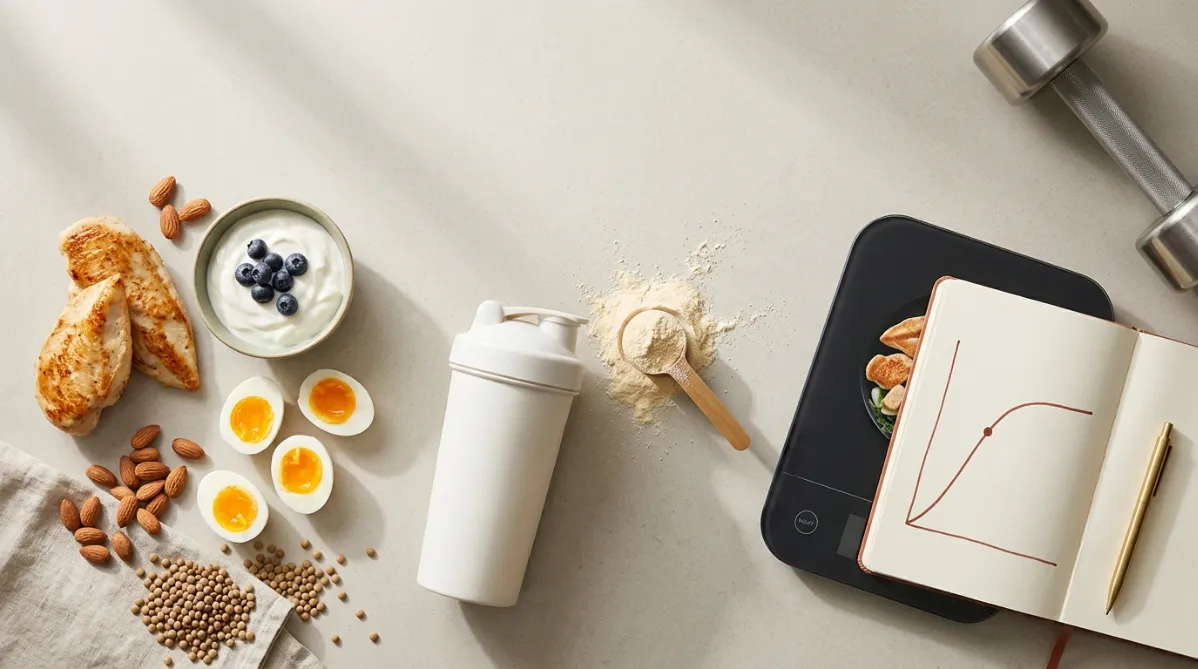
How Much Protein Actually Maximizes Muscle? The 1.6 g/kg Plateau, Explained
Think you need 2+ grams of protein per pound to grow? A meta-analysis of 49 trials and 1,863 adults found muscle-building benefits leveled off around 1.6 g/kg per day. The upper confidence limit reached about 2.2 g/kg, giving lifters a practical range instead of an arbitrary mega-dose. Trained lifters gained the most from supplementation, while the benefit shrank with age. Here is what the numbers mean for your plate, your shaker bottle and your budget.